
In-play betting sites in Great Britain for 2026 — the live offer, £HMRC-free winnings, and what the Gambling Commission actually requires
 Available in US
A wager placed while the match is still being played sits at the centre of how modern British sports betting actually works. The market that has built itself around it is the same one that pushes cash-out buttons onto the slip, lights up in-play event lists on the homepage, and sells live streams of Premier League football, UK and Irish horse racing and ITF tennis. In Great Britain every operator that takes a remote bet on a real sporting event holds a Gambling Commission licence, and the rules that shape the live product — how quickly a market suspends, how partial cash out works, what is shown on a stream, who gets verified before a deposit goes through — sit on each operator’s terms page and in its licence conditions, not in any statute that names the live market.
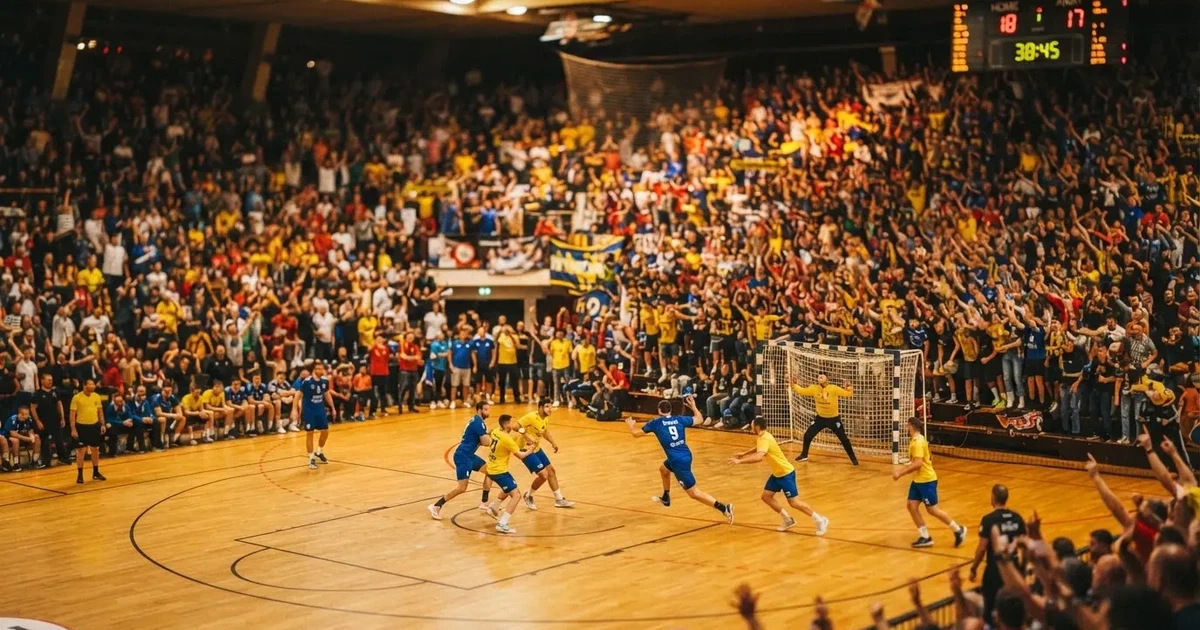
What follows is a comparison of ten such operators: how their in-play product is described on their own pages and on their app store listings, what the Commission’s public register says about their licence and the company behind it, and where each one fits a particular kind of punter. The opening pages walk through what in-play betting actually does and what it asks of the bookmaker; the comparison then ranks the ten, each in the order research puts them; the legality and tax frame sits in its own section; and a short FAQ closes the page. Prices change, and so does the operator’s terms page — what is written here is current as of 27 October 2026 and was checked against the Gambling Commission’s public register.
Coordinates of the live market
In-play betting, sometimes called live betting, is the act of placing a new wager on an event after it has started and before it finishes. The market that surrounds it has a vocabulary of its own: a market is the set of prices on one outcome group at one event (1X2, total goals, next player to score), a market suspension is the bookmaker briefly pulling prices while an incident is reviewed, a bet builder is a single bet that combines markets from one match, and a bet builder with cross-event markets is an accumulator, or acca for short. None of these are statutory terms; they live in each bookmaker’s product copy and in the betting public’s habit.

What the live product does, mechanically, is print and refresh prices while the event runs and accept new stakes against those prices within whatever delay the platform adds. Refresh speed varies: top-of-market events on a Premier League match refresh inside a couple of seconds, smaller feeds refresh more slowly, and during suspensions (goals, red cards, video reviews, six-ball cricket windows, the run-up to a set in tennis) prices disappear. The bookmaker’s terms always carry a delay between the click on “place bet” and the bet being recorded, and during that delay a market can be suspended, an outcome can change, and the bet can fail.
Cash out sits beside the live product and is often mistaken for part of it. A cash-out button offers to settle the bet before the event has finished: take a smaller profit on a winning position, recover part of the stake on a losing one, or close out a multiple leg by leg. Cash out is offered on singles and on multiples where the platform supports it, and on selected bet builders; DAZN Bet, William Hill, Betfair, Bet Ahoy, Betboro and the rest of the comparison each say on their own terms that cash out is available on the markets they list, and several say plainly that it is not guaranteed — if the market is suspended, the price moves against the bettor during the cash-out delay, or the market disappears, the cash-out button greys out and the bet stands on its original terms.
The third piece is live streaming. Many of the ten operators stream events to a logged-in, funded customer: William Hill’s WHTV, Betfair’s free streams of UK and Irish racing and football, Spreadex’s streams of UK and Irish horse racing, greyhounds, tennis, NFL and selected football, bet365’s broad international catalogue, Coral’s racing streams. A streaming gate is normal: a funded account, a recent bet, a minimum stake on the day’s race, a wagered-and-settled bet on the same fixture, or simply being logged in. The details vary by operator and are noted in the comparison.
A short list of the cross-cutting mechanics worth knowing before the ranking:
- Market suspension. Prices disappear while a key incident is being processed and reappear once it has cleared. A bet placed during a suspension will not register.
- Cash-out delay. The few seconds between clicking cash out and the price being locked. The price on screen is an offer, not a guarantee, and the offer can disappear.
- Bet Builder / same-game multi. A single bet that combines several markets from one event. Each leg must win for the bet to win, and one voided leg leaves the others standing under most operators’ rules.
- Best Odds Guaranteed (BOG). A promise on UK and Irish horse racing that if the starting price is higher than the price taken, the bet is settled at the bigger price. Several operators below carry it.
- Live streaming gate. The minimum action the customer must have taken — typically a funded account and a recent bet, sometimes a minimum stake on the day’s race — to watch the stream.
What the live product asks of the bookmaker is real: low-latency pricing, a stable cash-out engine, a streaming partner for the events listed, and a settlement system that handles tens of thousands of bets per football match. Not every operator carries the same catalogue, and the comparison below records what each one lists rather than what the marketing implies.
The safer-gambling ground the live market sits on
A live bet is still a bet, and in Great Britain every operator that takes one is bound by the same customer-protection framework. The features the user sees on a responsible-gambling page are not extras — they are licence conditions, set by the Commission under its Licence Conditions and Codes of Practice, and they apply to every brand in this comparison.

Identity verification before the first deposit is the first of them. Since 7 May 2019, a GB-licensed remote operator has to verify the customer’s name, address and date of birth before any deposit is accepted, including deposits funded by a bonus or a free bet. The check is the same whether the bettor stakes a tenner or a thousand, and it is what kills anonymous betting on a licensed platform. The flip side is that the same check that protects the bettor also costs the bookmaker the customer who would rather not pass it — a trade-off every GB-licensed operator has made.
GAMSTOP is the second. It is the national multi-operator online self-exclusion register, and joining a GB-licensed remote operator has been a mandatory licence condition since 31 March 2020. A customer who signs up to GAMSTOP blocks themselves from every GB-licensed betting site and app for six months, one year, five years, or five years with auto-renewal; after the minimum period the exclusion stays in place for a further seven years unless the customer asks GAMSTOP to remove it. GAMSTOP covers online channels; betting shops use a separate service. A bettor who has self-excluded at one bookmaker cannot get around it by opening another.
The third is the layer of tools each operator must offer: deposit limits, reality checks, time-outs, product restrictions and self-exclusion on the operator’s own platform. Unibet lists deposit limits, a Player Profile test, product restrictions and self-exclusion alongside live chat and links to BeGambleAware, GamCare, GAMSTOP, Gambling Therapy and the BGC; Betboro’s own responsible-gambling page carries deposit limits, reality checks and self-exclusion. Other operators carry the same set with their own copy.
The newer layer is the financial vulnerability check (LCCP condition 3.4.4, in force since 30 August 2024), which applies when a customer’s deposits minus withdrawals exceed £150 in a rolling 30 days, a threshold in force since 28 February 2025. The check is a public-record check (bankruptcy, county court judgments, the register of insolvent estates), not an income check and not a credit-reference check. Above the threshold the operator is expected to gather it; below the threshold the operator is not expected to ask. The planned next stage — financial risk assessments, the heavier “affordability” checks that the press describes — has been announced in a Commission paper of 7 July 2026 with no start date and is not yet in force. The phrase to use is “announced, staged, no start date”.
Deposit limits sit on top of all of that (Remote Technical Standard 12): the operator has to offer a gross deposit limit on a fixed time frame, with the first changes applied since 31 October 2025 and a second phase postponed to 30 September 2026; whether the second phase is live is not established. The minimum a customer can set is theirs to choose — there is no state-set cap on stakes or losses in sports betting, and the limit on a betting account is whatever the customer asks for, not whatever the regulator dictates.
A licensed operator carries a duty to refer a customer to help when the patterns warrant it. GamCare runs the National Gambling Helpline, GambleAware funds treatment, the NHS runs gambling clinics, and Gamblers Anonymous runs peer-support meetings. The links sit on every licensed platform’s safer-gambling page, often in the footer.
The trade-off is plain and worth stating in one sentence. The licensed operator offers the customer protection that an unlicensed one does not: identity verification before any deposit, GAMSTOP coverage, the £150 financial vulnerability check, deposit limits, the 10x bonus wagering cap, the LCCP marketing conditions, and a route to dispute resolution. The licensed operator also takes the customer’s name, address and date of birth before a free bet can be claimed. None of this is a reason to bet. It is the ground the live market sits on, and the customer who needs the protection is the customer who needs to stay on it.
In-play and cash out, in detail
Live betting is the umbrella term; cash out is a particular tool the live product carries. The two are joined at the slip — a bet placed in-play can be settled early if the platform offers cash out — but they are not the same thing, and the page that mixes them up is the page the reader cannot use.
What in-play actually does
An in-play market prints prices after the event has started and accepts stakes against them within the platform’s delay. The mechanics look like this:
- A market opens before kick-off (or first serve, first ball) with the bookmaker’s pre-match prices.
- At kick-off the market moves into the live feed: a faster refresh, an in-play grid that updates per minute or per goal.
- During the match, prices move with the action: a red card shortens a price, a goal pushes the over/under, a break of serve in tennis shifts the next-set prices.
- During key incidents (goals, six balls, video reviews, set points) the market suspends for a few seconds and the prices disappear.
- When the event ends, the market settles and the bet pays out at the price taken, with the usual place and each-way rules applying where relevant.
The bookmaker’s edge sits in the overround of every market: the gap between the true odds (the sum of 1/odds over every outcome) and 100 per cent. That gap is the bookmaker’s margin, and it varies market by market and event by event. The bigger the margin, the less of every pound staked returns to customers as winnings over the long run. In-play margins are typically wider than pre-match margins, because the bookmaker is repricing a moving market and building in more uncertainty; a reader who only looks at headline prices misses this, and the particular trade-off between price and product is what the comparison below makes plain.
What cash out actually does
A cash-out button offers to settle the bet before the event finishes. On a winning single, it pays a profit smaller than the full payout; on a losing single, it pays a partial return of the stake; on a multiple, it pays the implied value of the legs that have already won, less the platform’s adjustment. The button is the bookmaker’s quote of what the bet is worth to them, refreshed every few seconds; clicking it accepts that quote, and the price can move against the bettor between the click and the confirmation.
Two practical points matter:
- Cash out is not guaranteed. Several operators state this in their own terms — DAZN Bet says cash out availability is not guaranteed and bets stand if it is unavailable; William Hill says Cash Out is not available on each-way bets and not always available on accumulators and that availability is not guaranteed.
- Cash out fails during a suspension. A market that suspends because of a goal, a review or a set point will not show a cash-out price; the bet runs on. If the cash-out button disappears during the cash-out delay, the bet stands on the original terms.
The mechanics that drive both
Three mechanics sit behind the live product and the cash-out engine:
- Pricing engine. Software that turns live event feeds (Opta, Sportradar, Genius Sports) into a refreshed price per market. The faster the feed and the engine, the closer to the action the prices sit.
- Cash-out engine. The component that prices a position against the live market and offers an early settlement. It prices in the bookmaker’s margin and the platform’s own risk.
- Settlement engine. The component that settles a bet at the end of the event, with each-way rules, Rule 4 deductions, voids and non-runner rules applied.
A slow pricing engine produces stale prices the customer can trade against; a thin cash-out engine disappears at the moment the customer wants it; a slow settlement engine delays withdrawals. These are not abstract concerns. The platform the customer uses shapes how the live market feels.
Ten GB-licensed operators, ranked and read
What follows is the comparison. The order is the order research puts them; the words underneath are the page’s own read of each one against the others. Every entry carries the Gambling Commission licence number and licence holder from the public register, and what the operator’s own page and app store listing say on the live product. The licences are real; the product descriptions are the operators’ own. Every brand below holds a remote general betting standard (real events) licence for Great Britain, and every one of them is a GAMSTOP member.
1. DAZN Bet
DAZN Bet runs under Gambling Commission remote licence 048756-R-327274-019 (Commission account 48756), with DZBT Limited as licence holder and DAZN Bet as the listed domain. Its own terms page describes a four-piece product: Cash Out, Bet Builder, daily bet boosts and in-play betting. The cash-out line is the practical one — DAZN Bet says cash-out availability is not guaranteed and that bets stand if it is unavailable. The Bet Builder and boosts are the marketing: a daily refresh, a same-event multi where the platform supports one, and a boost panel that does the usual job. The in-play grid is the live feed.
The shape that matters: the cash-out clause. DAZN Bet’s terms put it in writing that a button can disappear and the bet runs on, and the bettor who takes cash out as gospel has read the terms wrong. Against that, the same terms give a clear product and a real in-play grid. The punter who prioritises clear terms over an endless list of features will find this interface highly effective.
2. William Hill
William Hill runs under Gambling Commission remote licence 039225-R-319373-015 (Commission account 39225), with WHG (International) Limited as licence holder. The site describes a long-running live product and the WHTV streaming service; the help pages make the cash-out limits plain.
Three clauses do the work. Cash Out is not available on each-way bets and is not always available on accumulators, and William Hill does not guarantee its availability. WHTV streaming requires a funded account or a bet in the last 24 hours, and live racing requires a bet of £1 or more on a qualifying race. Betting TV, separate from WHTV, shows selected UK and US horse racing and UK greyhounds free. The combination is the broadest live streaming in the comparison.
The trade-off the entry has to state: the cash-out limits bite on the customers who would use it most — each-way punters and accumulator players — and the streaming gate is a bet placed, not just an account opened. Streaming enthusiasts who accept the standard cash-out conditions will find this traditional catalogue very reliable.
3. London Bet
London Bet runs under Gambling Commission remote licence 066162-R-340278-004 (Commission account 66162), with Thistle Bet Limited as licence holder. The App Store listing describes an app that combines sports betting — football, tennis, horse racing, greyhounds, darts, golf, cricket, NFL, NBA, MLB and snooker — with Pragmatic Play casino slots and live in-play betting.
The shape of the entry: a single-app bookmaker-and-casino, with a sports list that runs across the codes a UK punter actually bets on and a live feed on top. Those who want a single-app solution for both sports and slots will appreciate the integration here.
4. Bet Ahoy
Bet Ahoy runs under Gambling Commission remote licence 100094-R-341742-003 (Commission account 100094), with Bet Ahoy Ltd as licence holder. The App Store listing describes pre-match and in-play Bet Builder across 11 sports, Early, Partial and Auto Cash Out, and up to 800 live markets on Premier League fixtures.
The shape that matters: the Bet Builder across 11 sports is wider than the same-product line on several of the bigger names; the three flavours of cash out (Early, Partial, Auto) cover the three jobs a cash-out button can do; the 800 live markets on a Premier League fixture is the figure the entry has to make plain. This is a great option for the Premier League specialist who relies on advanced cash-out tools to manage positions.
5. Swifty Sports
Swifty Sports runs under Gambling Commission remote licence 058957-R-334734-006 (Commission account 58957), with Swifty Global (UK) Ltd as licence holder. The App Store listing describes Best Odds Guaranteed, Cash Out on markets including horse racing and football, daily price boosts, live streaming and in-play betting, with Bet Builder listed as coming soon.
The shape that matters: BOG on the racing side, live streaming in the live product, Bet Builder listed as coming soon rather than shipped. Racing fans who value BOG and a transparent roadmap for new features should consider this platform.
6. Spreadex
Spreadex runs under Gambling Commission remote licence 008835-R-104580-022 (Commission account 8835), with Spreadex Limited as licence holder. The app combines fixed-odds and spread betting in one product, with one-click, auto and partial cash out, Bet Builder across fixed odds or spreads, and live streaming of UK and Irish horse racing, greyhounds, tennis, NFL and selected football.
The shape that matters: the FCA regulation on the spread-betting side sits alongside the Commission regulation on the fixed-odds side. Spreadex is regulated by the FCA for spread betting and by the Gambling Commission for fixed-odds betting, and its own page states that spread betting losses can exceed the deposit. It serves the experienced bettor who wants both fixed-odds and spread-betting markets in one convenient app.
7. Betboro
Betboro runs under Gambling Commission remote licence 044181-R-324363-007 (Commission account 44181), with Webmedia Development N.V. as licence holder. The site lists in-play markets and cash-out on football, racing and tennis, boosted odds on selected singles from £10 stakes, and responsible-gambling tools (deposit limits, reality checks, self-exclusion).
The shape that matters: the £10 minimum on a boosted single is the threshold below which the boost does not apply, and the responsible-gambling tools are listed on the same page as the product. Punters who focus on daily boosts and require easy access to responsible-gambling controls will find this a solid choice.
8. Fitzwilliam Sports
Fitzwilliam Sports runs under Gambling Commission remote licence 048760-R-335434-009 (Commission account 48760), with SBKI Limited as licence holder. The home page lists phone and live chat with the office open 09:00 to 21:00, Monday to Sunday, and messenger replies generally within 90 seconds.
The shape that matters: the entry’s difference from the rest of the comparison is human — a phone line, a live chat, an office open twelve hours a day, messenger replies measured in seconds. Customers who prefer talking to support staff over scrolling through an automated help centre will value this service model.
9. Unibet
Unibet runs under Gambling Commission remote licence 045322-R-324275-019 (Commission account 45322), with Platinum Gaming Limited, Gibraltar, as licence holder. The site states it has operated since 1999; the UK site is run by Platinum Gaming Limited under Commission account 45322. The App Store listing describes Bet Builder, daily Uniboosts, live streaming through Unibet TV, in-play betting, Best Odds Guaranteed on horse racing and Cash Out on thousands of markets.
The shape that matters: the catalogue. Uniboosts run daily, Unibet TV streams the events, the Bet Builder combines markets, BOG applies on racing, and Cash Out is listed on thousands of markets. The safer-gambling tools on the UK page are deposit limits, a Player Profile test, product restrictions and self-exclusion, with live chat support and links to BeGambleAware, GamCare, GAMSTOP, Gambling Therapy and the BGC. High-activity users who need a comprehensive, feature-rich platform will appreciate the wide catalogue offered here.
10. Kalooki Sportsbook
Kalooki Sportsbook runs under Gambling Commission remote licence 057730-R-333396-005 (Commission account 57730), with Kalooki Sportsbook Limited as licence holder. The site advertises instant withdrawals by bank transfer within minutes, Best Odds Guaranteed on UK and Irish horse racing, in-play betting, daily boosts and extra place races.
The shape that matters: instant withdrawals by bank transfer within minutes is the entry’s distinctive feature; the BOG line on UK and Irish racing is the racing side; the in-play grid and the daily boosts and extra place races fill out the rest. Users who prioritise rapid withdrawal times and want a streamlined, boost-focused environment will find this setup ideal.
The legal frame, in detail
The frame around a GB in-play bet is a licensing and tax framework, not a market-specific statute. The Gambling Commission is the regulator, the Gambling Act 2005 is the principal Act, the LCCP is the licence-condition layer, and the ASA and the CAP/BCAP codes police the advertising. None of these is a “British rule on in-play betting”; in-play markets are simply offered under each operator’s licence conditions and customer-protection duties.
The regulator and the framework
The Gambling Commission is a non-departmental public body sponsored by the Department for Culture, Media and Sport, and it licenses the whole commercial market under the Gambling Act 2005, which covers Great Britain (England, Scotland and Wales). Northern Ireland is outside the 2005 Act and runs under its own older law, so the phrase to use is “Great Britain licence” or “GB-licensed” — a GB licence does not regulate Northern Ireland. Since the Gambling (Licensing and Advertising) Act 2014 an operator whose remote facilities are used in Great Britain needs a Commission licence wherever the operator is incorporated (sections 33 and 36 of the 2005 Act as amended); a Curaçao, Maltese or Gibraltar licence is not a substitute. There is no state monopoly and no cap on the number of licences.
Betting-licence types for remote betting are: remote general betting standard (real events), remote general betting standard (virtual events), remote general betting limited, remote pool betting, and remote betting intermediary (the licence a betting exchange holds). Every operator in the comparison above holds the first of those for Great Britain.
The Commission’s public register can be searched by business name, trading name, domain or account number and is the whole test of whether a brand holds a licence. A quoted count of licensed operators without an access date is unreliable, and the date the register was checked belongs with any such figure.
Identity, age, payments
Minimum age is 18, and the operator verifies name, address and date of birth before the customer can deposit or gamble (since 7 May 2019). The check covers free bets and bonuses as well as cash stakes, which is why a free-bet registration still asks for a driving licence. Credit cards are banned for gambling in Great Britain (since 14 April 2020, LCCP condition 6.1.2), and the ban covers credit-card-funded payments through an e-wallet. Debit cards and bank-based payments are not covered. There is no state list of permitted payment methods and no rule for or against cryptocurrency deposits at licensed operators; the operator’s own terms are the source.
What may be bet on
No statutory list of permitted bets or markets exists. An operator holds a licence for a category and offers markets under its own rules and the LCCP. In-play betting is offered by GB bookmakers and the controls are the operator’s licence conditions and customer-protection duties — never “unrestricted” as a legal conclusion. Esports are treated like any other event; virtual events are a separate licence category; bets on politics, TV shows and novelty markets are offered by GB bookmakers and no statutory prohibition was found. Spread betting that is not a financial product sits inside General Betting Duty; financial spread betting is regulated by the FCA, not the Commission.
Player protection
GAMSTOP is the national multi-operator online self-exclusion scheme and a mandatory licence condition for online operators since 31 March 2020; periods are six months, one year, five years, or five years with auto-renewal, with a further seven-year tail unless the customer asks GAMSTOP to remove it. Online self-exclusion covers sites and apps; betting shops use a separate service. The financial vulnerability check (LCCP condition 3.4.4, in force since 30 August 2024) applies when a customer’s deposits minus withdrawals exceed £150 in a rolling 30 days, a threshold in force since 28 February 2025. The check is a public-record check (bankruptcy, county court judgments), not an income or credit check. The planned next stage — financial risk assessments — has been announced in a Commission paper of 7 July 2026 with no start date, and the phrase is “announced, staged, no start date”. Deposit limits (RTS 12) require a gross deposit limit on a fixed time frame; the first changes applied since 31 October 2025 and a second phase was postponed to 30 September 2026, and whether the second phase is live is not established. No state-set deposit or loss ceiling for betting exists — limits are the customer’s choice. Help: GamCare (National Gambling Helpline), GambleAware, NHS gambling clinics, Gamblers Anonymous.
Advertising and bonuses
Advertising is not licensed by the Commission; it runs through the CAP Code (non-broadcast) and the BCAP Code (broadcast), enforced by the ASA, alongside the LCCP marketing conditions. CAP Code section 16 requires marketing to be socially responsible, not of strong appeal to under-18s, and no one who is or seems to be under 25 may be featured gambling or play a significant role (with an exception for marketing placed where a bet can be made directly) — that rule concerns who may appear in the advertisement, not who may bet.
The bonus rule that hits the live market most directly is the cap on wagering requirements. Since 19 January 2026, wagering requirements on bonuses are capped at 10x (a £10 bonus at 50x requires £500 of bets; under the cap no more than £100), and mixed-product promotions — an offer that requires gambling on two or more product types such as betting, casino, bingo and lottery, for example “bet on football to get free spins” — are banned. Whether the cap applies to free bets with no wagering condition, and any cap on the money value of a bonus, are not established. Operators are responsible for marketing by their affiliates.
“Whistle-to-whistle” is an industry code, not law. Since 1 August 2019 betting advertisements are not shown on TV from five minutes before a live sporting event to five minutes after it, before the 9pm watershed, with horse and greyhound racing excluded. The Premier League clubs’ withdrawal of gambling sponsorship from the front of matchday shirts (from 2026/27; sleeves and hoardings remain) is voluntary, not law.
Tax
The player pays no tax on betting winnings in Great Britain (general information, not tax advice; a professional gambler should ask HMRC or an adviser). General Betting Duty is the operator’s tax on gross profits, currently 15%; from 1 April 2027 a new remote betting rate of 25% applies within it, while remote bets on UK horse racing, bets on self-service betting terminals in licensed premises, pool betting and in-person betting stay at 15% (HM Government policy paper of 26 November 2025); spread betting has its own rates (3% financial, 10% other). Until 1 April 2027 the remote rate stays at 15%; whether operators pass duty on through odds is not established. The Commission’s statutory levy is a separate charge, not a tax.
Offshore and unlicensed sites
A GB licence is compulsory at the point of consumption. Providing gambling facilities in Great Britain without the licence the Act requires is an offence under section 33 of the Gambling Act 2005 (on summary conviction up to 51 weeks’ imprisonment, a fine up to level 5, or both; six months in Scotland) — aimed at the operator. No offence aimed at a customer who merely bets on an unlicensed site was found. The honest framing is the trade-off: licensed equals checks, limits, GAMSTOP, the bonus cap, the £150 vulnerability check; unlicensed equals none of those protections and possible loss of funds, with no Commission complaints route, no approved dispute-resolution body and no British consumer redress if funds are withheld. Enforcement against unlicensed operators is disruption, not blocking: cease-and-desist notices, search-engine referrals, work with registrars, hosts and payment providers, and court-order DNS blocking powers the Commission has been given, or is about to receive — never “ISP blocking is in operation”.
The comparison at a glance
The table that follows records what each operator’s own page or app store listing says on the live product, alongside the Commission’s licence line. The cells are the operators’ own words; the absence of a cell means the operator’s listing does not record it.
| Brand | Gambling Commission remote licence (holder) | What the operator’s own terms state on the live product |
|---|---|---|
| DAZN Bet | 048756-R-327274-019 — DZBT Limited | Cash Out, Bet Builder, daily bet boosts, in-play betting; cash out availability not guaranteed and bets stand if unavailable |
| William Hill | 039225-R-319373-015 — WHG (International) Limited | Cash Out (not on each-way, not always on accumulators, availability not guaranteed); WHTV streaming (funded or bet in last 24 hours; live racing needs a £1 qualifying bet); Betting TV for selected UK and US racing and UK greyhounds |
| London Bet | 066162-R-340278-004 — Thistle Bet Limited | Sports app across football, tennis, horse racing, greyhounds, darts, golf, cricket, NFL, NBA, MLB, snooker, with Pragmatic Play slots and live in-play betting |
| Bet Ahoy | 100094-R-341742-003 — Bet Ahoy Ltd | Pre-match and in-play Bet Builder across 11 sports; Early, Partial and Auto Cash Out; up to 800 live markets on Premier League fixtures |
| Swifty Sports | 058957-R-334734-006 — Swifty Global (UK) Ltd | Best Odds Guaranteed, Cash Out on horse racing and football, daily price boosts, live streaming, in-play betting; Bet Builder listed as coming soon |
| Spreadex | 008835-R-104580-022 — Spreadex Limited | Fixed-odds and spread betting in one app; one-click, auto and partial cash out; Bet Builder across fixed odds or spreads; live streaming of UK and Irish horse racing, greyhounds, tennis, NFL and selected football; FCA-regulated on the spread side, Commission-regulated on fixed odds |
| Betboro | 044181-R-324363-007 — Webmedia Development N.V. | In-play markets and cash out on football, racing and tennis; boosted odds on selected singles from £10 stakes; deposit limits, reality checks, self-exclusion |
| Fitzwilliam Sports | 048760-R-335434-009 — SBKI Limited | Phone and live chat support 09:00–21:00, seven days a week; messenger replies generally within 90 seconds |
| Unibet | 045322-R-324275-019 — Platinum Gaming Limited, Gibraltar | Bet Builder, daily Uniboosts, Unibet TV streaming, in-play betting, BOG on horse racing, Cash Out on thousands of markets; deposit limits, Player Profile test, product restrictions, self-exclusion; links to BeGambleAware, GamCare, GAMSTOP, Gambling Therapy and the BGC |
| Kalooki Sportsbook | 057730-R-333396-005 — Kalooki Sportsbook Limited | Instant withdrawals by bank transfer within minutes; BOG on UK and Irish horse racing; in-play betting; daily boosts; extra place races |
The spread the table makes plain is the shape of the comparison: two operators carry a full live-and-streaming product (William Hill, Unibet), one carries fixed-odds and spread in one app (Spreadex), one carries the broadest Bet Builder (Bet Ahoy), one carries instant withdrawals (Kalooki), one carries phone-led support (Fitzwilliam), and the rest carry their own combination of the pieces. None of them is “the only” licensed one; the licence register lists many more brands than this comparison features.
How a winning in-play bet pays out
The arithmetic of a winning bet is the simplest piece of the live product, and the one a reader can do in their head. The formula: return equals stake times odds, and net profit equals stake times (odds minus one). For a single in-play bet of £10 at odds of 5/2 — the example research uses, a fractional price that converts to 3.50 in decimal — the return is £10 × 3.50 = £35.00 and the net profit is £10 × (3.50 − 1) = £25.00. The £35.00 is the stake plus the £25.00 of winnings; the £10 stake is returned with the win, which is the standard rule on a fixed-odds bet and the rule that the marketing word “free bet” usually does not honour (a free-bet stake is typically not paid back with a win, and the comparison below spells that out where it bites).
For a combination bet the odds of the legs multiply into one price: a double of 3.00 and 4.00 is a 12.00 single, and the return on a £10 stake is £120 with a net profit of £110. A bet builder within one event works the same way — the legs multiply — except that a voided leg leaves the others standing under most operators’ rules and a winning bet builder is settled at the multiplied price rather than at any one leg. The trade-off the multiplication hides: every extra leg widens the book’s margin, and the longer the multiple the wider it gets. A treble of three 1.80 legs is a 5.83 price, which sounds generous, but the bookmaker’s margin on each leg stacks into the combined price, and the true long-run payout share on the treble is lower than the payout share on any single leg. The maths does not lie; the marketing does.
The band the calculation belongs to is the illustrative one research names: a £10 bet at 5/2 (3.50), an example rather than a quoted price. Prices on live markets move continuously, and the figure the reader uses at the slip is whatever the platform prints at the moment the click is confirmed, not what the page said when the page was written. The arithmetic is the arithmetic; the price is whatever the platform says.
Common ground, sharp edges
What the ten operators share is the licence and the framework that comes with it. Every one of them holds a remote general betting standard (real events) licence for Great Britain; every one of them runs under the LCCP and the safer-gambling duties; every one of them is a GAMSTOP member; every one of them takes the customer’s name, address and date of birth before the first deposit; every one of them has a complaints route that ends at an approved alternative-dispute-resolution body if the operator’s own team cannot resolve it. The licence register on the Commission’s site is the test of every one of these.
What they do not share is the product. Bet Ahoy’s 800 live markets on a Premier League fixture and Spreadex’s spread-betting engine and Fitzwilliam’s phone-led support and Kalooki’s instant withdrawals and William Hill’s WHTV streaming catalogue and Unibet’s daily Uniboosts are six different shapes, and the customer who picks the right one picks the platform that fits the bet they actually place.
The sharp edges are worth listing once. In-play markets suspend during key incidents. Cash-out buttons disappear during suspensions and during price moves against the bettor in the cash-out delay. A bet placed during a suspension will not register. A free-bet stake is typically not returned with a win. The 10x bonus wagering cap applies since 19 January 2026, and mixed-product promotions are banned. Identity verification happens before the first deposit, including on a free bet. The financial vulnerability check triggers at £150 of net deposits in a rolling 30 days. The financial risk-assessment stage is announced, staged, and has no start date. The £1,000-or-£5,000 stake the customer reads on a banner is the marketing figure, not the platform figure; the platform figure is in the terms.
None of these is a reason to bet. They are the rules the bet sits inside, and the bettor who has read them is the bettor who has spent five minutes the betting public usually does not.
Frequently asked questions
How do in-play betting and cash out differ from a pre-match bet?
An in-play bet is placed after the event has started; the prices refresh while the match runs and the market can suspend during key incidents. Cash out is a button on an open bet — pre-match or in-play — that settles the bet early at a price the platform quotes, smaller than the full payout on a winner, larger than nothing on a loser. Both are offered by GB-licensed operators under their own terms, with availability not guaranteed.
How is the return on a bet worked out from the stake and the odds?
For a single fixed-odds bet the return is the stake multiplied by the decimal odds, and the net profit is the stake multiplied by (odds minus one). A £10 bet at decimal odds of 3.50 returns £35.00 — the £10 stake plus £25.00 of profit. For a combination bet the leg odds multiply, and the same formula applies to the combined price.
How can it be checked that a bookmaker holds a Gambling Commission licence?
The Commission’s public register lists every licence holder, searchable by name, trading name, domain or account number. The licence number on the operator’s own page or footer should match a record on the register, and the categories on the record should include remote general betting standard (real events). This comparison’s table records each operator’s licence number and holder for the check.
Which tools for controlling play does a licensed bookmaker have to offer?
A licensed remote operator offers deposit limits, reality checks, time-outs, product restrictions and self-exclusion on its own platform, and is part of GAMSTOP for multi-operator self-exclusion. The financial vulnerability check applies above £150 of net deposits in a rolling 30 days. No state-set deposit or loss ceiling exists; the limit on a betting account is whatever the customer chooses, and the operator cannot raise it without a fresh request.
How do fractional odds such as 5/1 convert to decimal odds such as 6.00?
Fractional odds a/b convert to decimal odds of (a ÷ b) + 1. So 5/1 converts to (5 ÷ 1) + 1 = 6.00, 5/2 to (5 ÷ 2) + 1 = 3.50, 11/4 to (11 ÷ 4) + 1 = 3.75, and evens (1/1) to (1 ÷ 1) + 1 = 2.00. The stake is included in the decimal return and excluded from the fractional profit; the two formats describe the same bet from two angles.
Are betting winnings taxed in Great Britain, and who pays General Betting Duty?
The player pays no tax on betting winnings in Great Britain — general information, not tax advice. General Betting Duty is the operator’s tax on gross profits, currently 15%, and from 1 April 2027 a new remote betting rate of 25% applies within it, while remote bets on UK horse racing, self-service betting terminal bets, pool betting and in-person betting stay at 15%; spread betting has its own rates of 3% financial and 10% other. The Commission’s statutory levy is a separate charge.
Bet types & in-play – Best Betting Tips
Content created by the «Best Betting Tips» team
